contact@arkeotopia.org

Discover Our Archaeology Articles
Step into our welcoming collection of archaeology articles! Whether you’re just getting curious, studying in school, guiding young learners, or working as a professional archaeologist, you’ll find something tailored to you. Our categories cover everything from the basics of archaeology to cutting-edge research, hands-on educational tools, and fun activities. Dive in and explore the many sides of archaeology through articles we’ve carefully selected to inspire and inform.
Choice of category
Prehistoric nursery rhymes
On July 27th 2020, ArkeoTopia met with Aurélie Pettoello for an interview. Author of a collection of nursery rhymes about human prehistory titled Prehistoric nursery rhymes (Comptines préhistoriques), published by L’Hydre, this prehistory enthusiast spoke with us about the origin of the project and the future of this beautiful collection, which is unfortunately currently out of stock.
Scientists and volunteers, a delicate balance
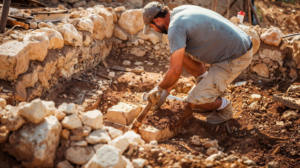
These days, the term “volunteer” is regularly overused and thrown about. Before reflecting on the pros and cons of voluntary contributions to science, we must agree on its definition. Contrary to popular belief, volunteers are typically qualified in a particular area, in this case, research. They carry out their work without compensation, outside of, or on top of, their profession. So, what does it mean to be a volunteer archaeologist?
Mysteries of Kunara
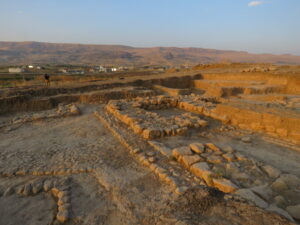
The French archaeological mission of Piramagrun has been excavating the Kunara site since 2012. Discover its unique features and unravel the mystery of its founders
A Photo Contest for Archaeology
Participate each month in the #ArchaeoPhoto contest of the ArkeoTopia network during the ArkaeoBox of the monthly Check Point meeting.
Read Aloud to Support Archaeology
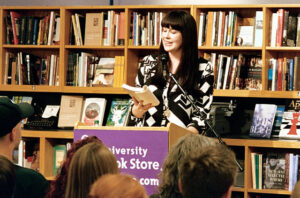
Together, let’s make archaeology heard around the world! Join us on social media to read aloud a passage of your choosing during the year. Let’s promote archaeology through the hashtag #IReadArchaeo.
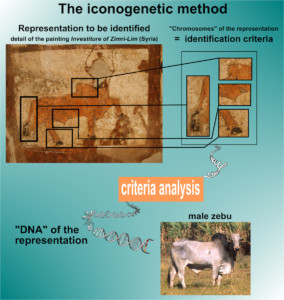
Complex Worldviews during Antiquity
By experimenting with the biological sex and the symbolic sex of animals, our ancestors left for us evidence of their high level of abstraction and their understanding of the world, more complex than we had previously imagined. iconography of the Near East tells us about the complex thinking of Bronze Age Syrians.
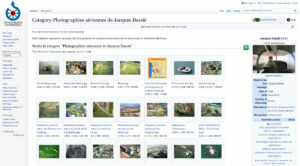
An Archaeologist Enters Wiki Loves Monuments Contest
Discover why the volunteer archaeologist Jacques Dassié participated in the 2017 edition of Wiki Loves Monuments, the largest photography contest in the world, and how this contest and its platform represent key support for archaeological research around the world..
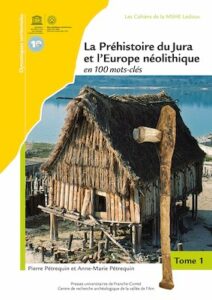
Review – 100 key words on Neolithic Europe
The richly documented and illustrated work La Préhistoire du Jura et l’Europe néolithique en 100 mots-clés (Prehistory of the Jura and Neolithic Europe in 100 key words) by Pierre and Anne-Marie Pétrequin , published by Presses universitaires de Franche-Comté in the Cahiers de la MSHE Claude Nicolas Ledoux collection, takes a look back on forty-five years of archaeological research in the Jura. With this general survey published in June 2021, readers can retrace the history of the first farmers between 5300 and 2400 BCE.
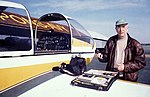
Specialist despite myself: An interview with Jacques Dassié
ArkeoTopia initially contacted Jacques Dassié when he participated in the 2017 edition of the Wiki Loves Monuments photographic contest. On the occasion of the 2020 edition, our journalist Justine Janpaule grabbed her chance for an exclusive interview to find out more about his beginnings as a French pioneer of aerial archaeology. We take a look back at his passion that came about by chance and resulted in photos that will benefit the entire scientific community when they are released on Wikimedia Commons in a few months’ time.
Breach of scientific integrity: first-hand experience
Breaches of scientific integrity represent an obstacle for the credibility of science. In this interview, Yann Callot, now professor emeritus of geomorphology at Université Lyon 2, recounts his findings being stolen while he was still a university student.