contact@arkeotopia.org

Translation by B. Loch and N. Johnston
Contributing to the inventory of cultural heritage to support research and promoting public spaces
- launch an inventory of wash-houses
- support the event by bringing together the energy of the organizations involved
That’s how ArkeoTopia worked with the town hall of Longvilliers via its Cercle Histoire et Patrimoine (History and Heritage Circle), chaired by Patrice Canal, to inventory the four wash-houses still present within the town.
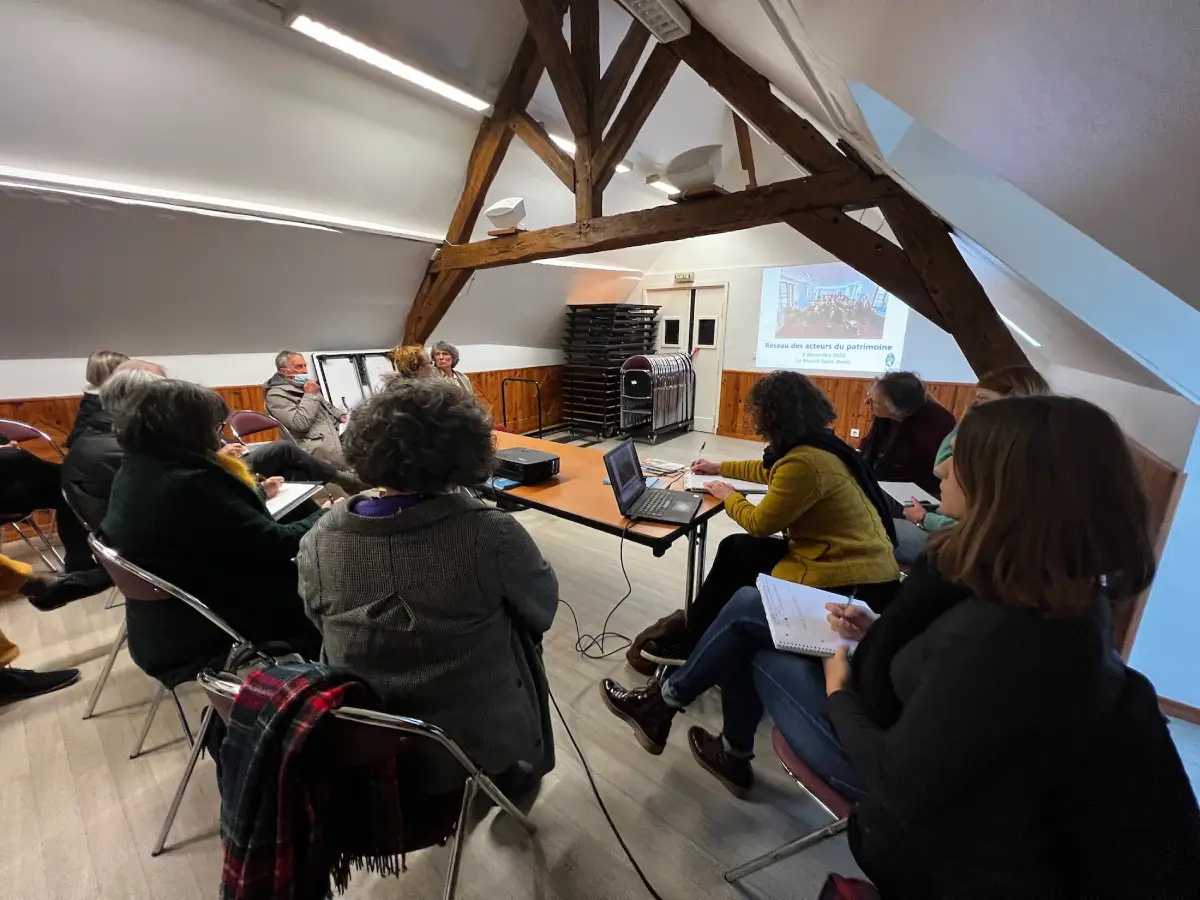
What is a cultural heritage inventory?
However, taking stock does not mean being exhaustive. In fact, while the inventory process may differ between regions, one position is consistent: the heritage elements must still be physically present. For example, in the town of Longvilliers, the Bouc Étourdi wash-house is only known by old texts and postcards. So, it is of no interest for the general inventory of material heritage in the Île-de-France region. Physically, nothing is left. It’s one of the limits for scientists doing this inventory in France which remains, first and foremost, a cataloging job.
The consequences for archaeological research
The choice of regional services of the General Inventory of Cultural Heritage clearly shows that these services are geared towards the preservation of what still exists and tourism. While this provides a very useful working base for archaeologists and other scientists interested in the history of human production, it is not enough.
Indeed, an archaeologist needs to have all the data, whether physically present or not, to carry out a study of a territory at a given time period. This is why the production of complete monographs is still essential. However, inventory work does contribute to the initial identification of artifacts of interest to archaeology, which is why ArkeoTopia is involved as part of its mission to support archaeological research.
What was accomplished by the Cercle Histoire et Patrimoine (History and Heritage Circle) of Longvilliers and ArkeoTopia?
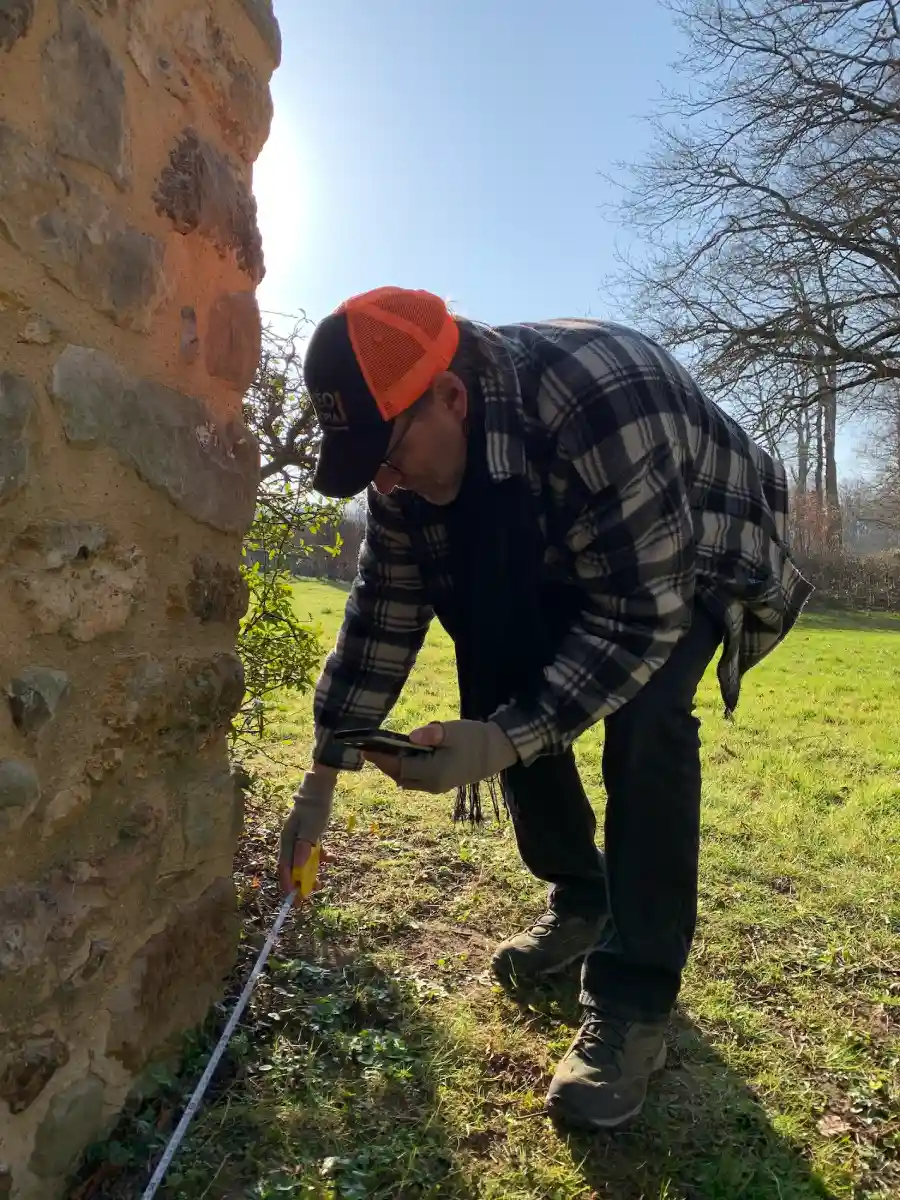
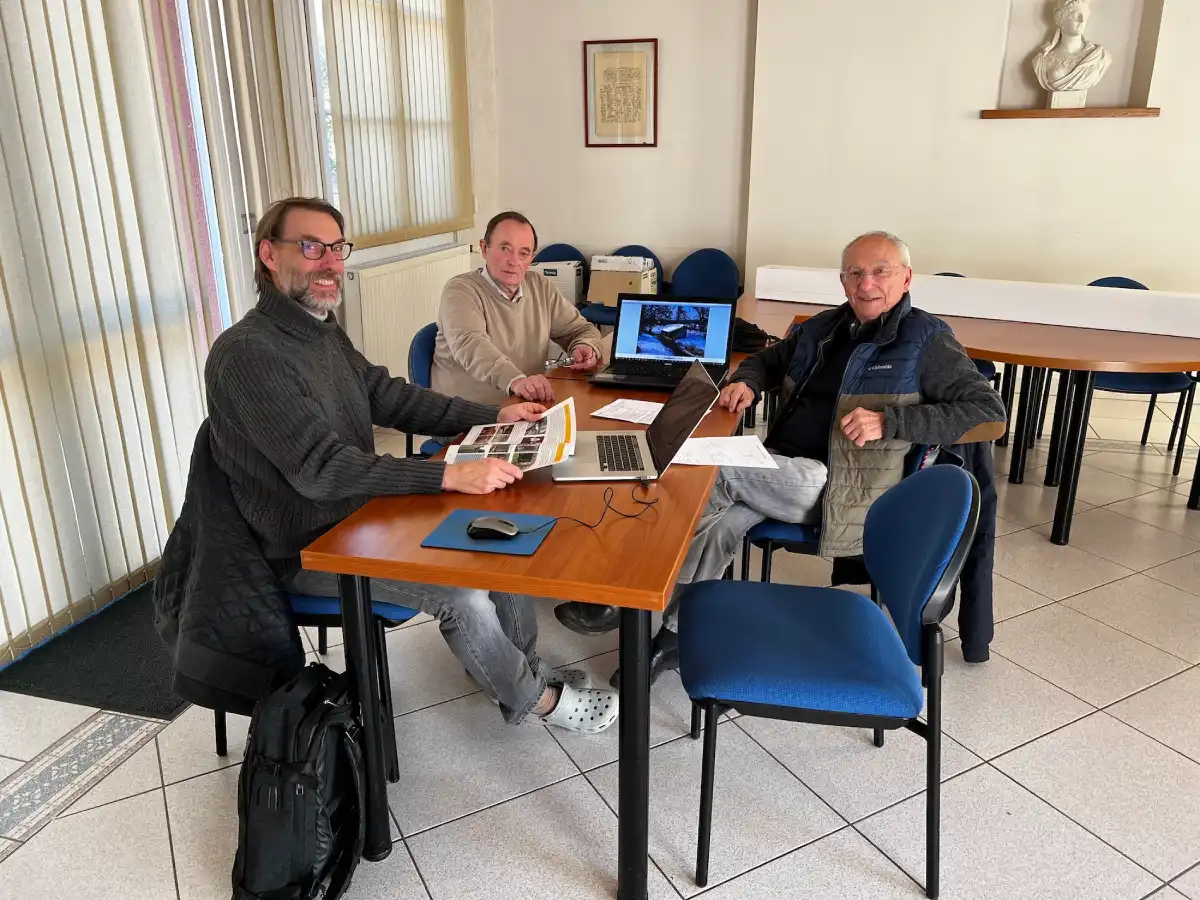
Between January and March 2023, ArkeoTopia and the Cercle Histoire et Patrimoine (History and Heritage Circle) of Longvilliers worked on the inventory of the town’s wash-houses. In total, there were four wash-houses that were added to the wash-house inventory of the RNR of Haute Vallée de Chevreuse according to procedures provided by the latter.
Measurements, geolocalization, photographs, observations, and archival research were all carried out in order to respond to the simplified form provided by the RNR of Haute Vallée de Chevreuse. The resulting individual data sheets will then be forwarded to the Île-de-France region’s General Inventory of Cultural Heritage in order to be added to the Open Platform of Heritage. It’s a job in the spirit of what the characters Alex and Lisa do in My Archaeology Book.
In the meantime, some data is already available on:
- Open Street Map for the La Bâte wash-house, Bourg wash-house, Reculet wash-house, and Saint-Fargeau wash-house
- Wikimedia Commons for the entry Wash houses of Longvilliers (Yvelines)
- Wikipedia for the entry Longvilliers (Yvelines) – Lieux et monuments
Implications for promoting cultural heritage in France and abroad
The work that was carried out in Longvilliers makes it clear that a participatory and citizen-led inventory is possible. This example could therefore take place in other countries around the world, notably those that do not benefit from an inventory service.
In fact, the digital tools issued by the free software community now allow for anyone and everyone to participate in the cultural heritage inventory. Thanks to these tools, all those involved in the heritage sector, including the general public, can take part in enhancing their environment and therefore provide support for actions that are useful for residents, scientists, and tourists.

 Download the results of the works done at the RNR of Haute Vallée de Chevreuse site (in French)
Additional reading
Some links may only be available in French
- For children ages 8 and up, read Le secret du pain de sucre (The Secret of the Sugarloaf), the third book in the series Les aventuriers du patrimoine (The Heritage Adventurers), written by Christiane Angibous-Esnault
- Check out the official website of the General Inventory of Cultural Heritage
- Check out the official website of the Île-de-France region’s General Inventory of Cultural Heritage
- Find out more information about the Folies Lavoirs event and the interactive map on Hélium’s website (still being made)
- Discover the Heritage network via the cultural directory of the RNR of Haute Vallée de Chevreuse
- Discover the Open Street Map project on Wikipedia
- Discover the Wikimedia Commons project on Wikipedia
- Discover France’s work in open science at www.ouvrirlascience.fr (English version)